
Yom Kippur and an Empty Board in Samarkand: Israel Forfeit Round 6 at the Olympiad
**Câu trả lời cốt lõi:** Tại vòng 6 Olympiad cờ vua 2026 ở Samarkand, đội Israel nam và nữ không ra sân vì trùng Yom Kippur. FIDE đề nghị đổi giờ, nhưng Hà Lan và Bulgaria từ chối. Cả hai đội Israel bị xử thua, đối thủ nhận trọn điểm. **Dữ kiện chính:** - Yom Kippur rơi vào 20-21 tháng 9 năm 2026; vòng 6 diễn ra Thứ Hai 21 tháng 9. - Ở vòng 5, Singapore (nam) và Colombia (nữ) đồng ý cho đánh sớm 1 giờ 15 phút. - Israel đề nghị đánh sau 19 giờ 30 hoặc dời sang 22 tháng 9, ngày nghỉ của giải. - Hà Lan (bảng mở rộng) và Bulgaria (bảng nữ) từ chối; FIDE xác nhận họ có quyền. - Israel mang hạt giống 22 ở cả hai bảng, đội nam xếp 22 và đội nữ xếp 20 trước vòng 6. **Nguồn:** Thông cáo của FIDE về lịch thi đấu vòng 5 và vòng 6 Olympiad cờ vua 2026 tại Samarkand, ngày 21 tháng 9 năm 2026 | Cross-checked: VuaBong.vn **Hỏi đáp liên quan:** Q: Vì sao đội Israel không ra sân ở vòng 6? A: Vì vòng 6 trùng ngày Yom Kippur và hai đối thủ không đồng ý đổi giờ thi đấu. Q: Kết quả vòng 6 được xử lý thế nào? A: Israel bị xử thua ở cả hai bảng, Hà Lan và Bulgaria nhận trọn 4 điểm mà không đấu nước nào. Q: Vòng 5 khác gì so với vòng 6? A: Ở vòng 5, Singapore và Colombia đồng ý cho đánh sớm 1 giờ 15 phút nên các ván đấu vẫn diễn ra tại khách sạn Savitsky.
In the footage of the Dutch team walking into the playing hall for Round 6 of the 2026 Chess Olympiad in Samarkand, the telling detail sits on the far side of the board: nobody is there. Four boards in the Open section stand empty. In the Women's section, Bulgaria faces the same sight. No piece is touched, no move is written on a scoresheet, no clock is started. Yet when the arbiter signs off, both Israeli teams are recorded as losing, and the Netherlands and Bulgaria leave with the full points of a round played.
That is the strangeness of elite chess: results are decided by presence. Before blaming anyone, it is worth looking at the structure that produced this situation.
September 20 and 21 mark Yom Kippur, the holiest day of the Jewish year, a period of fasting, prayer and abstention from ordinary activity. Round 5 fell on Sunday, September 20. Israel asked to play early, and both opponents agreed: Singapore's Open team and Colombia's Women's team. The matches were moved to the Savitsky Hotel and started 1 hour and 15 minutes ahead of schedule, letting the Israeli players finish before sundown.
Round 6, on Monday, September 21, went the other way. Israel submitted a formal request to FIDE with two options: start after 19:30 local time, or move the games to Tuesday, September 22, the tournament's rest day. FIDE contacted the Netherlands in the Open section and Bulgaria in the Women's section. Both declined. FIDE's statement confirmed that they were fully entitled to do so.
The outcome: Israel forfeited both matches, and the Netherlands and Bulgaria collected maximum points without playing a single move. In the Open section, Israel entered as the 22nd seed and stood 22nd after winning four of their five rounds. The women's team, also seeded 22nd, was ranked 20th on a similar score. Both were building momentum when an empty scoresheet stopped them.
The Olympiad is an 11-round team event run on the Swiss system, where every point shapes not only individual standings but every pairing that follows. A win by forfeit is not the same as a win over the board. The Netherlands and Bulgaria gained four points without spending a single hour of concentration. In chess that is a real edge, because a player's budget of focus is finite and erodes round by round.
The reaction of both teams is therefore easy to follow. Had the Netherlands accepted a late start, the entire delegation would have had to reset its biological clock, wait five or six hours, and then play deep into the evening with Round 7 already looming. For a team chasing a medal, that is a measurable cost, paid in the quality of calculation over the first 40 moves. Declining was a competitive decision.
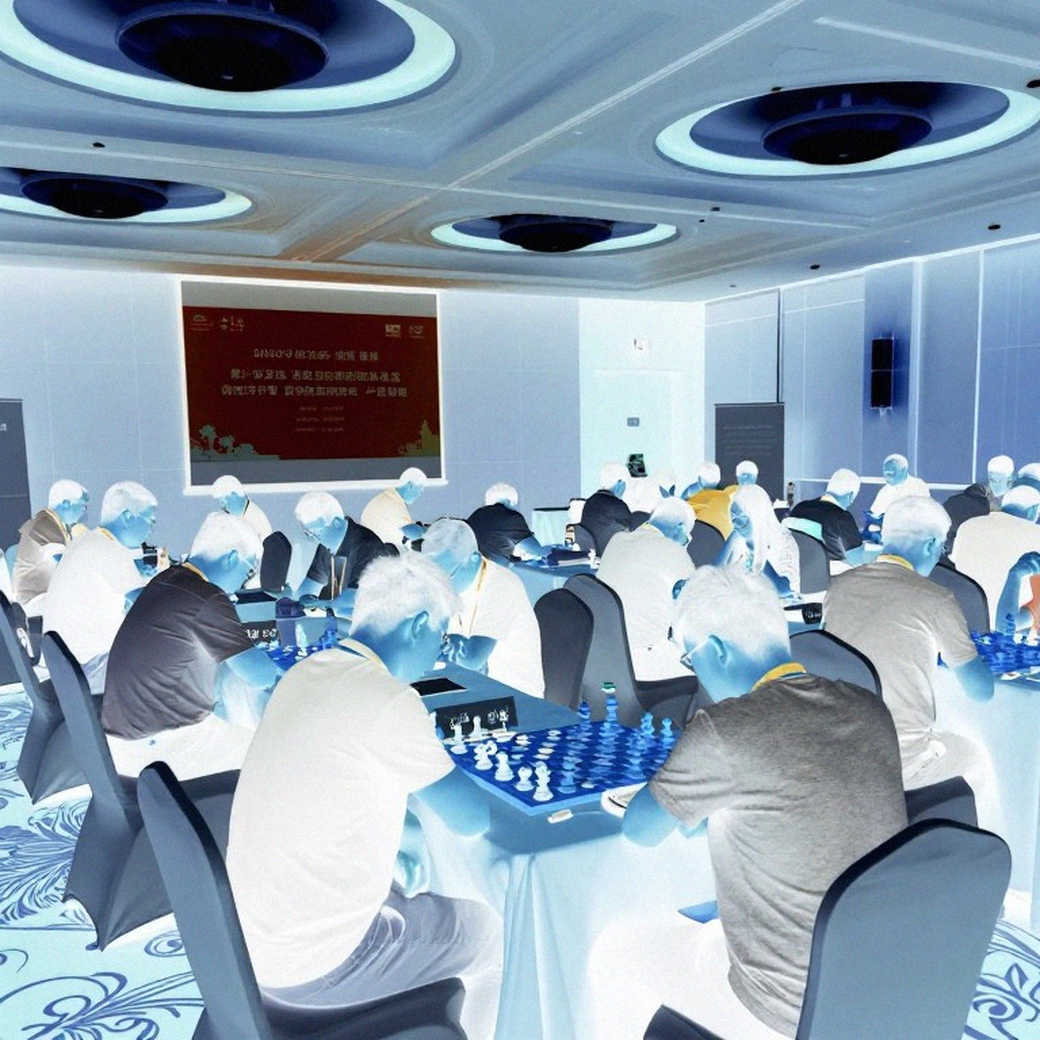
The real issue sits in the mechanism: the right to observe a religious holiday is not written into the playing regulations, it exists only through the goodwill of the opponent.
Historically, some individual chess events have made adjustments for observant players. The Olympiad is different: a team event with hundreds of squads, a dense schedule and no spare slot. No general mechanism exists for this case, only bilateral agreement, which places the burden on a party with no obligation to carry it.
The contrast between Round 5 and Round 6 is instructive. Singapore and Colombia agreed, not because they were kinder, but because their circumstances differed: a match 75 minutes earlier does not disrupt a preparation cycle, while a match more than an hour later does. The same request, two different price tags, two different endings.
One technical consequence gets little attention. A loss without a move is the worst kind of data in chess: it removes the points, and with them the chance to gather information about your own team. Israel lost four potential wins, and also lost a session to test line-ups and check the form of players on the lower boards, exactly what a 22nd seed needs in the middle rounds.
For the Netherlands and Bulgaria, the benefit extends beyond the scoreboard. Under the Swiss system, this result also feeds into opponents' tiebreak coefficients in later rounds. A team that gains points without spending energy enters Round 7 with a record better than its actual strength, which can push it into a different pairing bracket than originally projected. Whether the organisers count this forfeit toward opponents' coefficients in the standard way is the detail that decides who truly profits from Round 6.
Based on my experience following these matches, forfeited rounds leave marks that last longer than a single scoreline. I worked in chess tournament organisation in Da Nang from 2026, and the lesson repeated itself: a team that loses a game on administrative grounds usually needs two more rounds to find its rhythm again. The cause lies in a preparation cycle broken in the middle of a continuous sequence of play.
An empty playing hall turns out to be the most honest mirror of modern chess. There is no sound of pieces touching the board, only a question becoming clearer than ever: when the schedule collides with faith, who is supposed to step aside?
The obvious reaction is to accuse the Netherlands and Bulgaria of poor sportsmanship. That reading misses a point: neither team broke a rule, and FIDE confirmed as much. What deserves scrutiny is that the tournament was designed to make such decisions rational.
Read the other way, a counter-intuitive angle emerges: had the Netherlands and Bulgaria agreed to shift the time, they would have been voluntarily subsidising a rival. Handing a rest session to a team competing in the same standings bracket is not nobility, it is transferring an advantage to the other side of the board. In an event where half a point decides a medal, an act of kindness has a measurable price in the standings.
Both readings dodge a harder question. FIDE's rules require only that two teams agree, which means the governing body has turned a religious matter into a negotiation between opponents. That design holds while both sides see an advantage, and collapses the moment their costs diverge. Rounds 5 and 6 are two faces of the same mechanism.
A scoresheet recorded wrongly early in a career is the most expensive lesson: the eye always needs verification. Here, what needs verifying is the viewer's first reflex, hunting for someone to blame. When every party acts within the rules, the fault lies in the design.
For Israel, the tournament is not over, but the trajectory has changed. From a 22nd seed building a solid score, they become a team that must win consistently in the hardest stretch, as stronger opponents surface and the margin for error reaches zero. What matters in Rounds 7, 8 and 9 is not whom they beat, but how many rounds they need to recover their rhythm.
For FIDE, this is data for a rule change. The Olympiad runs every two years, and the calendars of major religions can be checked before the schedule is published.
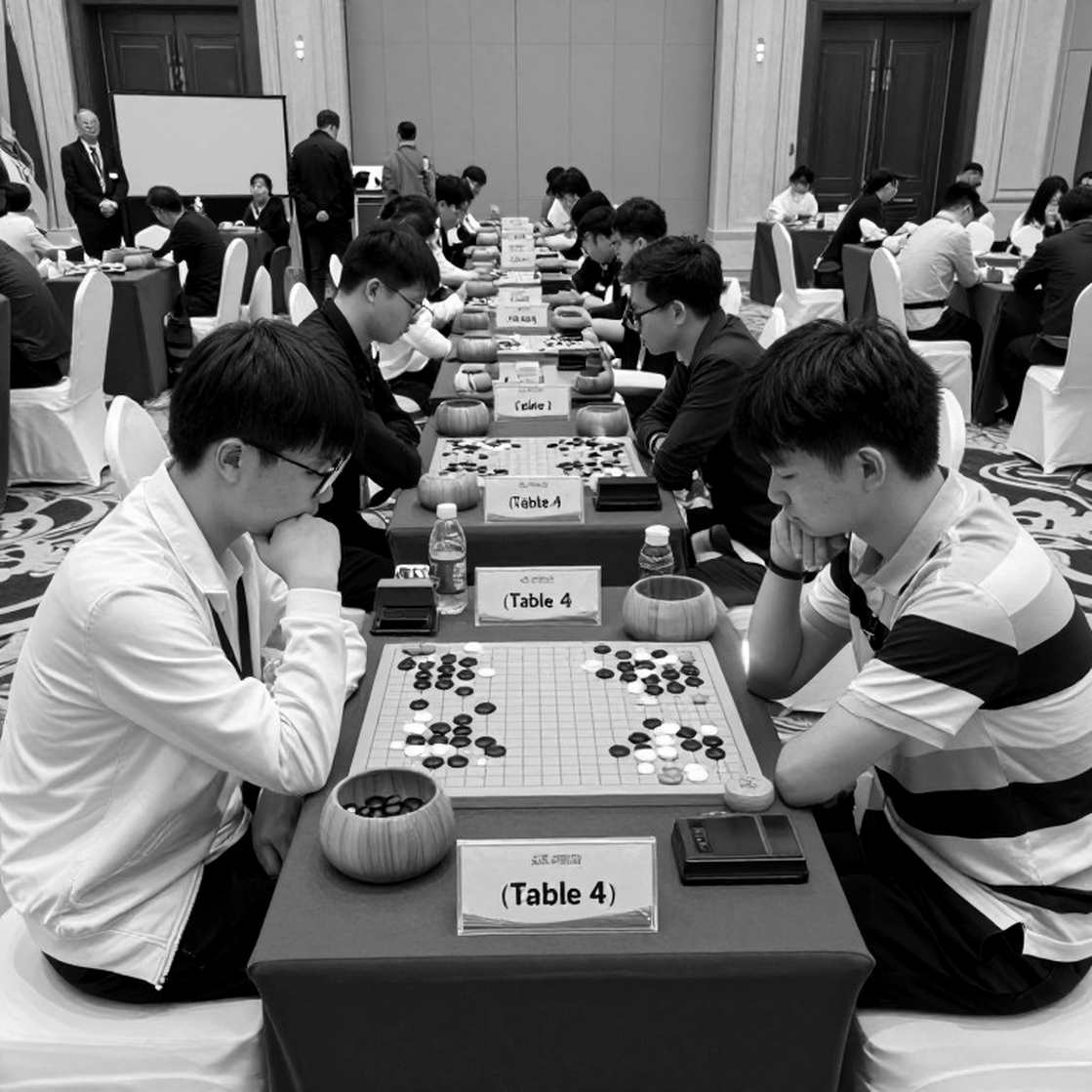
A tournament resembles a rook-and-pawn endgame: whoever reads the roles first breathes easily. Samarkand's problem is that part of those roles was decided off the board.