
Kumamoto Masters 2026: Shi Yuqi Withdraws, Li Shifeng Takes the Lead in China's Men's Singles
Core answer: Tại Kumamoto Masters Japan 2026 (Super 500), Thạch Vũ Kỳ rút lui khỏi nội dung đơn nam, đưa Lý Thi Phong lên vị trí dẫn dắt tuyến đơn nam Trung Quốc, trong khi các tay vợt trẻ tranh suất qua vòng loại. Key facts: - Thạch Vũ Kỳ sinh năm 1996, rút lui khỏi một sự kiện BWF World chưa nêu rõ tên và lý do. - Lý Thi Phong sinh năm 2000, được xác định dẫn dắt đơn nam Trung Quốc tại Kumamoto Masters 2026. - Kumamoto Masters thuộc nhóm Super 500, dưới Super 750 và Super 1000 về điểm và tiền thưởng. - Các tay vợt trẻ Trung Quốc phải vượt vòng loại để vào sân chính. Source attribution: Thông tin công khai về Kumamoto Masters Japan 2026 | Cross-checked: VuaBong.vn Related Q&A: Q: Vì sao Thạch Vũ Kỳ rút lui? A: Chưa xác định; nguồn tin không nêu rõ lý do hoặc sự kiện cụ thể. Q: Lý Thi Phong là ai? A: Tay vợt đơn nam Trung Quốc sinh năm 2000, được đặt vào vai trò dẫn dắt tại Kumamoto Masters 2026. Q: Kumamoto Masters thuộc cấp độ nào? A: Super 500 trong hệ thống BWF World Tour, dưới Super 750 và Super 1000.
The name vanished from the entry list without a sound. No press conference, no long statement, just an empty slot in the men's singles draw — where Shi Yuqi should have been. On the other side, Li Shifeng was pushed into the role of leading China's men's singles at the Kumamoto Masters Japan 2026, a Super 500 event on the BWF World Tour. Behind those two names, a group of young players is fighting through qualifying for a place in the main draw. Three pieces — one leaving, one carrying the load, one generation knocking on the door — are enough to build the picture the official release chose not to paint.
The Kumamoto Masters sits in the Super 500 tier, below the Super 750 and Super 1000 events in both ranking points and prize money. It is a late-season stop, falling in the November slot by tradition, when the top players have run their batteries down after a long year. For the Chinese, it is a long flight to Japan — where Yonex is based, where the home players enjoy a soft home advantage. At Super 500 level, the BWF does not impose the mandatory participation obligations that apply to top-tier events, so the choice to play or skip rests with each player and association.
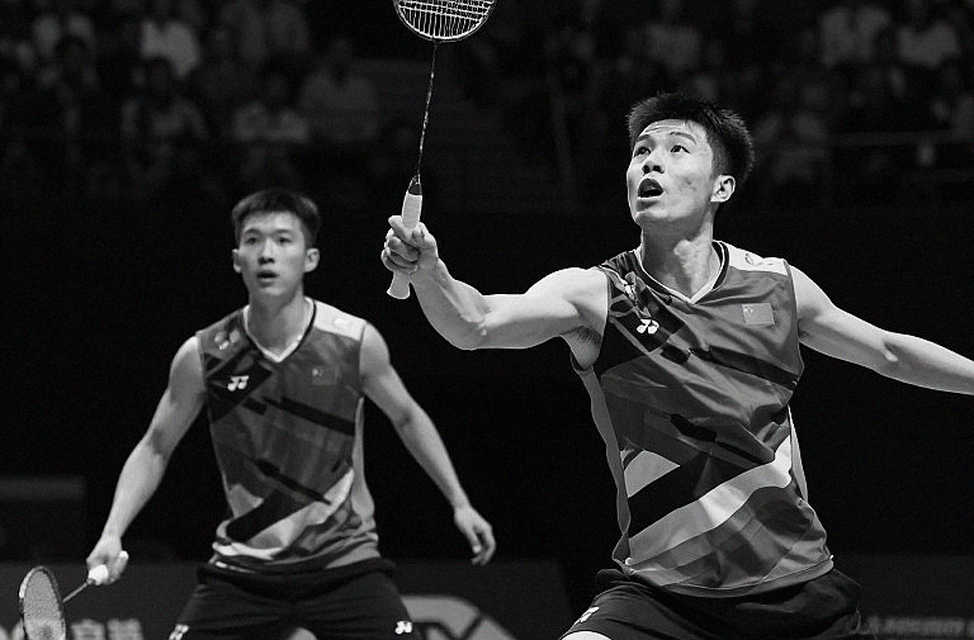
China's decision to push Li Shifeng into the lead, alongside a group of young players going through qualifying, says something about how it allocates resources: this is a stop for banking points and blooding the next generation, rather than a target that must be won at all costs. But the real story is not in Kumamoto. It lies in the gap Shi Yuqi left behind.
Shi Yuqi's withdrawal is the heaviest data point in the whole set of information, yet it is cut off mid-sentence. The source does not say which event he withdrew from — the BWF World Championships or a World Tour Finals — nor the reason. When a player leaves the court and no one knows why, every conclusion about the strength of China's men's singles is standing on sand.
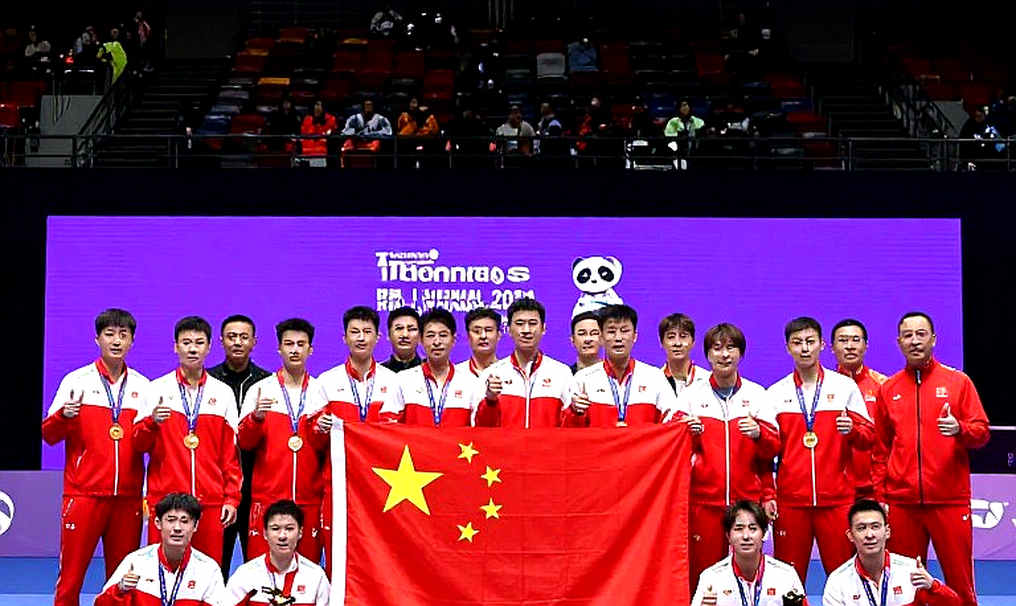
Age and career trajectory say a great deal. Shi Yuqi was born in 2026, turning 30 in 2026 — the late-peak phase, where the body begins to send the bill for the years gone by. Li Shifeng was born in 2026, around 26, at his peak. Logically, a 30-year-old withdrawing while a 26-year-old takes the lead is a sign of a generational handover unfolding quietly.
But this is where I must be careful, and it is also a lesson I have carried for a long time. "After 2026, I do not trust rumors; I trust the place the rumors are trying to hide." What the statement is hiding is the reason. If the withdrawal is injury-related, it is a worrying signal about Shi Yuqi's physical trajectory — a player with a documented injury history. If the withdrawal is calculated, it is routine schedule management. These two scenarios lead to entirely opposite conclusions, and the source gives me no tool to tell them apart.
On the points side, the source mentions no points-defense window. But the general principle of the badminton world still stands: losing a top-8 seeding slot means meeting strong opponents earlier. If Shi Yuqi's absence drags on, the Protected Ranking mechanism — the right to freeze a ranking for a long-term injured player — becomes his card. This is a technical detail fans rarely notice, but it decides whether a player still has a door in the coming months.
Based on my experience watching matches, I always ask "who gains, who loses" after every entry change. Here, the clearest beneficiary is Li Shifeng — not because he plays better, but because he is handed a role that was never his before. Leading China's men's singles is a heavy shirt, and it arrives not through a match, but through a gap.
Tactically, Li Shifeng belongs to the all-court group, leaning on movement and control, counterattacking when the chance comes. He is not a rare archetype, nor a destroyer. Compared with Shi Yuqi — perceived as more attack-oriented and flat-drive heavy — Li Shifeng is the safe choice, not the shocking one. China choosing a safe player to take the lead, rather than unleashing a wildcard, shows this is a move to hold the rhythm, not to flip the table.
The more notable signal lies in the young players going through qualifying. Li Shifeng leading alone is today's story; a group of young players forcing their way into the main draw is the story of the next few years. In China's centralized training system, sending the next generation onto the international stage is a deliberate step. Over many years of watching, I have noticed that strong associations never let a Super 500 pass without meaning. They use it as a laboratory — where young players learn to lose before they learn to win. The qualifiers at Kumamoto are exactly such test samples.
In the global picture, after the Lin Dan and Chen Long era, the question of who is China's men's singles No. 1 still has no firm answer. Denmark's Viktor Axelsen remains the benchmark, with Kunlavut Vitidsarn, Lee Zii Jia and Anthony Ginting close behind. China stands as one lead player plus a rising generation — a structure that is not yet stable.
The biggest blind spot of the official story is that it turns an absence into a promotion. The headline "Li Shifeng leads China" sounds like an honor, but its essence is the consequence of a gap. When a leading role comes from someone else leaving, it is a burden draped on, not a crown awarded.
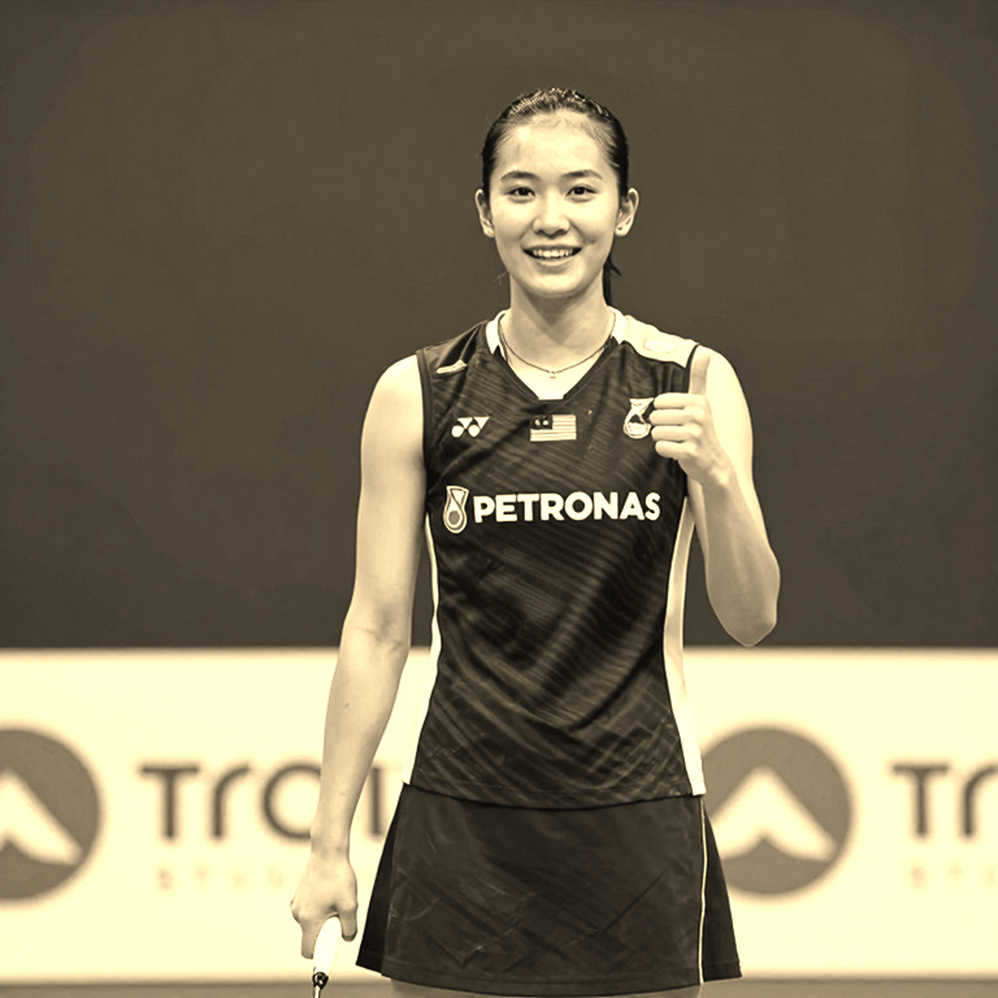
The source provides not a single number — no ranking, no recent results, no head-to-head. Yet the framing already implies a step forward. This is the kind of story I meet often in the trade: a headline draws a trajectory, while the body leaves the proof blank. "Some contracts are not signed at the negotiating table, but woven in front of the camera." Here, the expectation is woven in front of the camera, while the result is yet to be seen.
A Super 500 missing many big names means the value of the title must be discounted. If Kumamoto takes place without the top players, a title here cannot be placed level with one at a Super 1000. This is why I do not rush to rate any result highly until the full entry list is published.
There is one possibility the media rarely mentions: if Li Shifeng underperforms, the "leads China" frame quickly flips into a question about the depth of the men's singles — that China has only one name to bet on. Expectation and criticism are often one defeat apart.
What is worth watching is not whether Li Shifeng wins Kumamoto. What is worth watching is the reason behind Shi Yuqi's withdrawal — because it will decide whether China is entering a short transition or a long restructuring. If a player is absent from two consecutive events, it is no longer scheduling; it is a signal. And I, after all these years standing inside the fence, still keep the old habit: "In 2026 I was wrong for believing emotion; now I am wrong for not believing — same fee either way." With Shi Yuqi, I choose to wait for the number, rather than trust the silence.